Why Community Management Is the Key to Social Media Success in 2026
Simply click and drag your
cursor over a passage of
text from the article below
to tweet or share.
Author: Lucy Hunter, Social Media Coordinator at UMM
Behind every brand that’s “smashing it” on social media is a George.
George’s logged into multiple accounts. He clocked the trending audio before it hit your FYP. He saw your comment—and he replied.
Every “Oh my god, this brand responded to me” moment isn’t magic. It’s someone actively managing a community—replying, diffusing, and participating in real time.
Today, success isn’t measured by how much a brand posts, but by how well it cultivates community. The State of Social 2026 report found brands initiate less than 1% of brand-related conversations online—meaning reputation is shaped largely by the people talking about you, not the posts you publish.
That’s not a threat. It’s a strategy.
The brands that last are built on community, not content alone. Growing an audience from the ground up takes intentional community management and real interactions that turn passive followers into loyal advocates. Because if you’re not in the conversation, someone else will define it for you.
Why Being Social Matters
In Australia, the numbers make it clear. Facebook reaches 19M Australians monthly, Instagram 12M, and TikTok 5.8M—representing millions of daily interactions where culture and commerce collide. Brand perception isn’t shaped by campaigns alone—it’s shaped in comment sections, shares, and replies.
And when 28.6% of users turn to social media for customer service, brands can’t just post and hope for the best. Dropping “please email support” under every complaint isn’t engagement.
Building a community isn’t a nice-to-have. In 2026, it’s an essential aspect of any consumer-facing brand. It creates a network of people who engage, advocate, and even defend you when it counts. In fact, 47% of customers are less likely to switch to a competitor when they feel part of a brand community.
The Comment Section (And DMs) Is Culture
Forget the feed.
The new brand battleground is in the comments—under a girl saying “Nina”.
@sonofcain98 i keep saying nina every 5 seconds help- #nina #CapCut #justvotejustvoteikimgonnabeoutsojustvote ♬ original sound – ✞𝕔𝕒𝕣𝕥𝕖𝕣✞
The brands winning aren’t just posting, they’re replying, stitching, sliding into comment sections and replying to DMs (even those that scream extreme brainrot ). When creators started asking brands to comment, even Ryanair jumped in, turning a simple prompt into a personality-defining, massively viral moment—fueled by the comments section.
@ryanair I’ll just be here, waiting😩🥺!! Ib @RAM 🐏 Sánchez #brandtok #ryanair #airline #fyp ♬ Oh no our table mashup by meredithbull – meredithbull
That kind of relevance isn’t random. It takes time to spot the opportunity and craft the right response. The best brands don’t chase every joke; they choose their moments and show up in ways that strengthen their identity and generate social proof (more on that here).
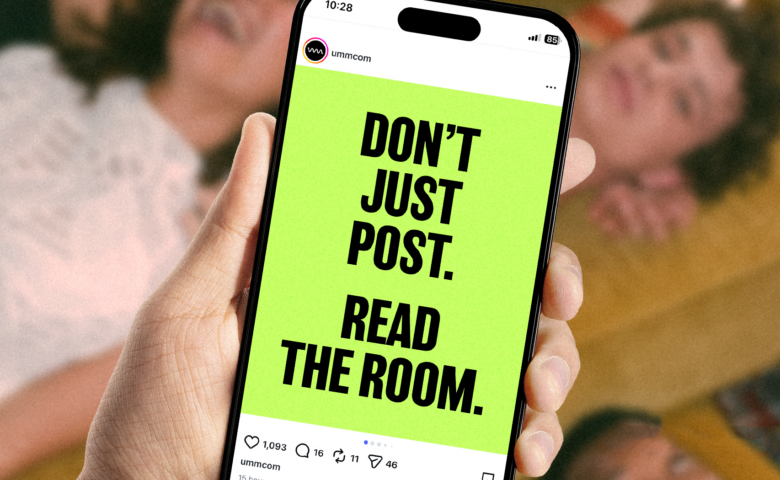
Community management done right isn’t just customer service with better manners. It’s cultural fluency. It’s knowing the moment, reading the room and responding in a voice that actually resonates. That’s how we approach it for brands including Raw C and Ultimate Ears—showing up in the comment sections, in a way that feels native. When done authentically, it offers brands opportunities to reach new audiences and reposition products through culture. Raw C is a strong example—targeting Gen Z through a content and community strategy that genuinely connects and has produced clear business results.
Ask our Head of Social & Content, Benjamin Xerri, why he’s loyal to El Jannah, and he’ll tell you it’s not just the chicken (although, in his words, it does slap).
This Is What Community-First Looks Like
Stats are one thing. Seeing it in action is another.
Exhibit A: Cocokind. A skincare brand that wanted to create an impact that was not just skin-deep. When they launched, they didn’t just use socials as another bulletin board, but rather as a sounding board. Packaging, formulations, even product names? Well, that was shaped by polls and comment sections, because… well, why guess what your consumers want when you can just ask?
Simply put, Cocokind creates content for its community, inspired by its community. They implemented a Kindness Collective ambassador program that doesn’t recruit influencers but instead empowers real community members who actively live the brand’s ethos. Gifting suites? For customers, not celebrities. They show up for their community in times of crisis: no press release, no campaign— just action. This is community-first marketing in practice.
View this post on Instagram
Community Management Isn’t Optional
What have we learnt? To stand out in today’s feed, community management isn’t optional. It takes many a George showing up, jumping in, and keeping the conversation alive.
Because socials aren’t billboards, they’re conversations. So if you’re not talking back, you’re being talked about.
Still unsure where to start? Don’t worry, UMM has plenty of Georges (and a few Pauls and Ringos too) to help. If you want a brand people talk with, not just about, we can help.